







From my archive. This was posted on my Substack in September 2025.
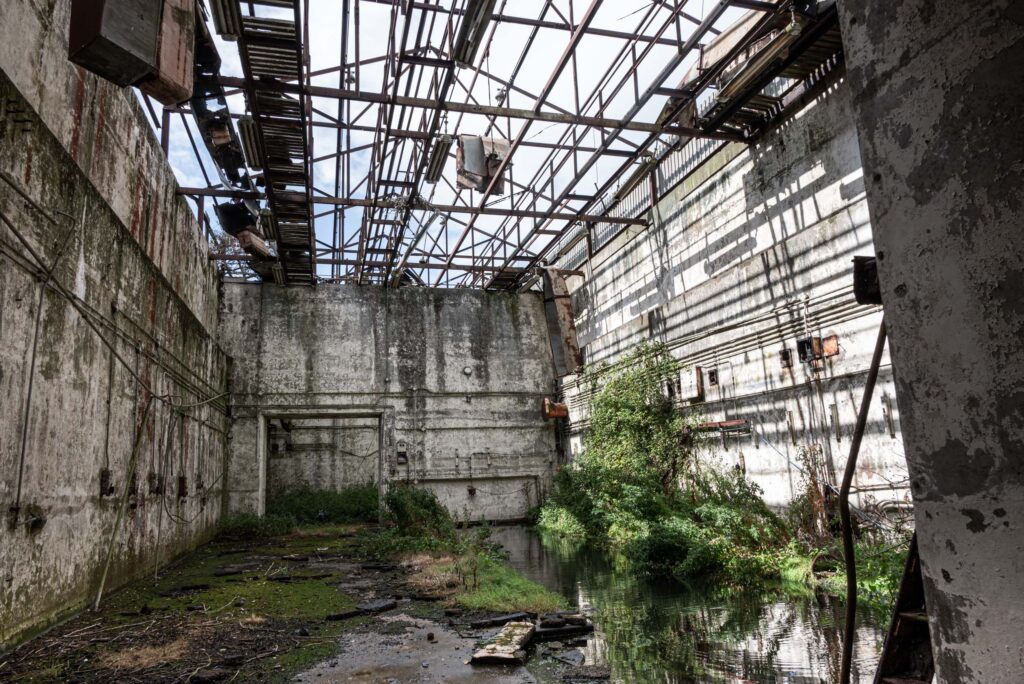
Looking like a bomb’s hit it (which in many ways it did…)
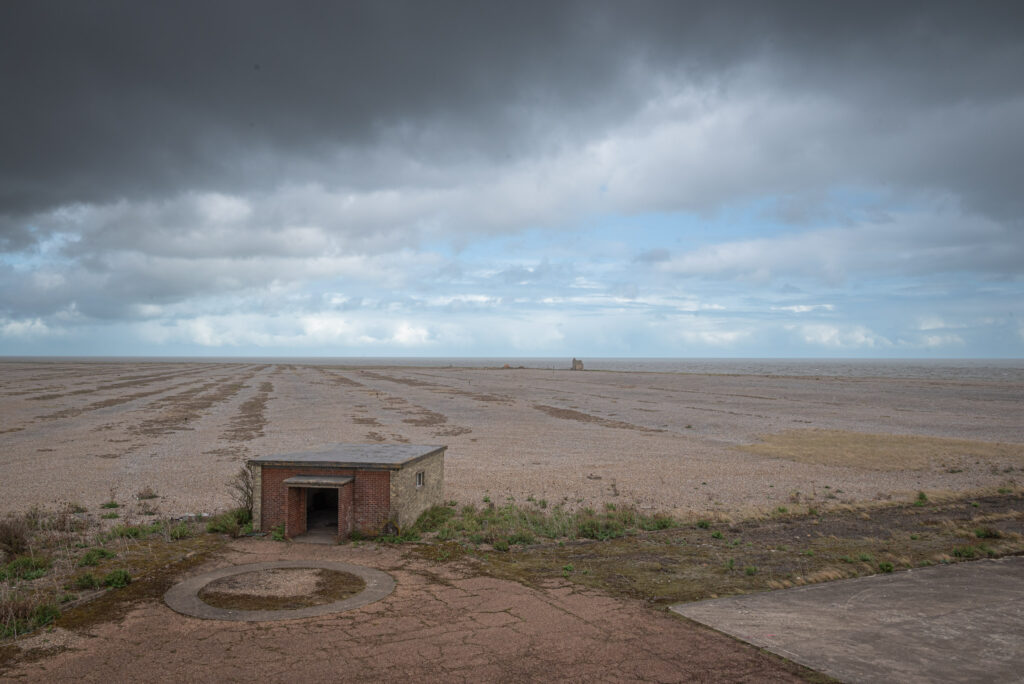
Some places hold their secrets in plain sight. Orford Ness, which lies just off the Suffolk coast, spent decades as Britain’s most classified testing ground—and the ghosts of that dark history still litter its landscape.
Brooding vistas with a bit of backstory are like catnip to me and here was no exception. This was where the military carried out many of their most sensitive and risky experimental programmes of new weaponry from the beginning of WW1 through to the end of the Cold War.
Orford Ness is a 10 mile long bulging spit of marshland and shingle attached to the mainland at the north near Aldburgh and extending southwards towards the River Deben. It’s been acquired by the National Trust who are proving to be sensitive stewards and are avoiding their usual Disneyfication (I’m looking at you Sutton Hoo) with nary a scone nor Tweedmill blanket in sight. Their light-touch approach preserves the atmosphere – they even expect you to make your own cup of tea in one of the restored huts. There’s fairly limited access via a small ferry which has to be booked a few weeks in advance so once you and your fellow hardy souls get there, you can sense the stark isolation a lot more keenly than you ever would at Stourhead.
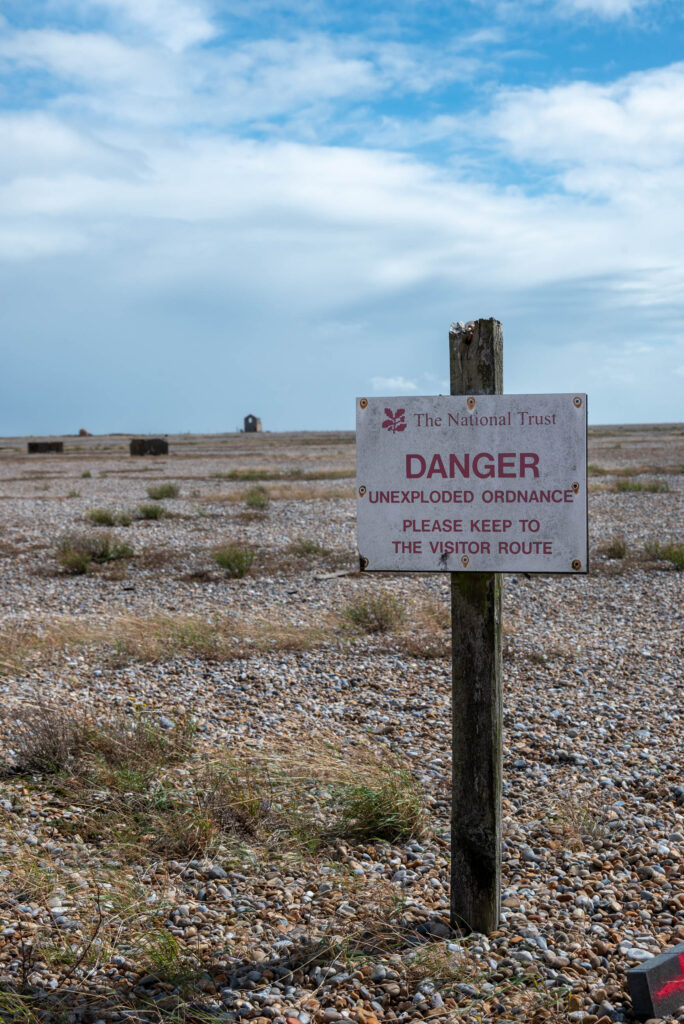
Its isolated position off the coast but with proximity to major military centres like Ipswich, Felixstowe and Colchester made it an ideal choice when Britain’s embryonic airforce was figuring out how to use these new fangled flying machines to kill people by chucking bombs out of them. It allowed them to experiment with bomb sights, trajectories and flight paths and over the rest of the century became the go-to location for many other military testing programmes such as the development of long range radar in the 1930s. Later on, in what is euphemistically called “environmental testing”, scientists investigated whether nuclear warheads could survive being bounced around in the back of a truck without vaporizing half of Suffolk.
There’s not much leaflet literature to be had (they’d even run out of paper maps so you had to photograph the last one remaining in the booking office), although there’s an excellent set of display boards in the old NAAFI building which gives enough of a sense of what you’re looking at without the usual overload of information which curses many visitor attractions. Intrigued, I tracked down the more exhaustive and authoritative account which has made fascinating reading.
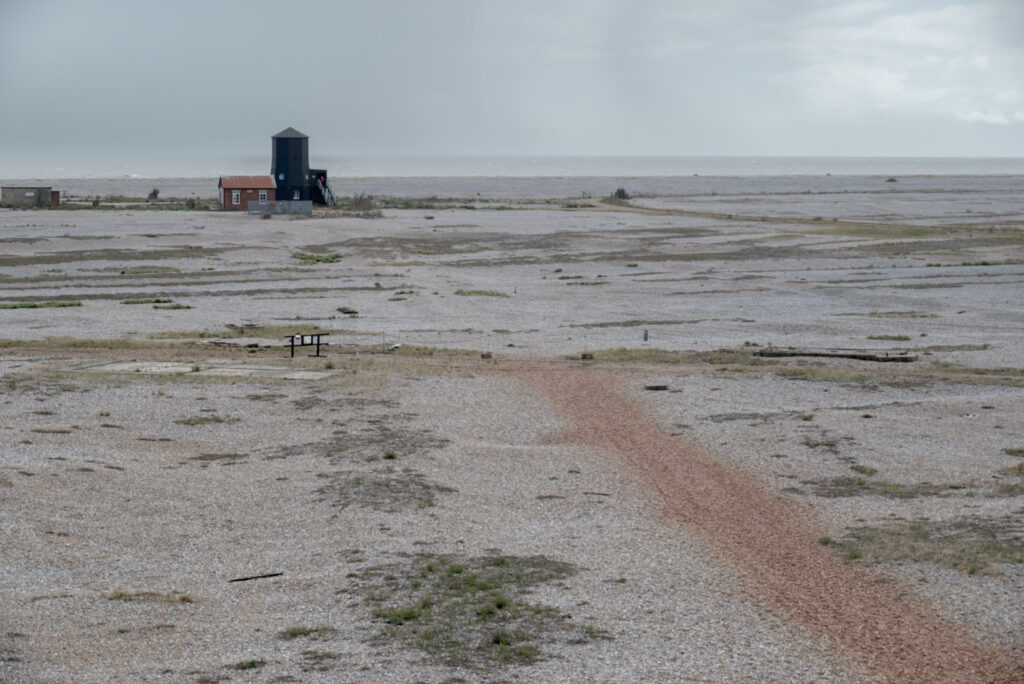
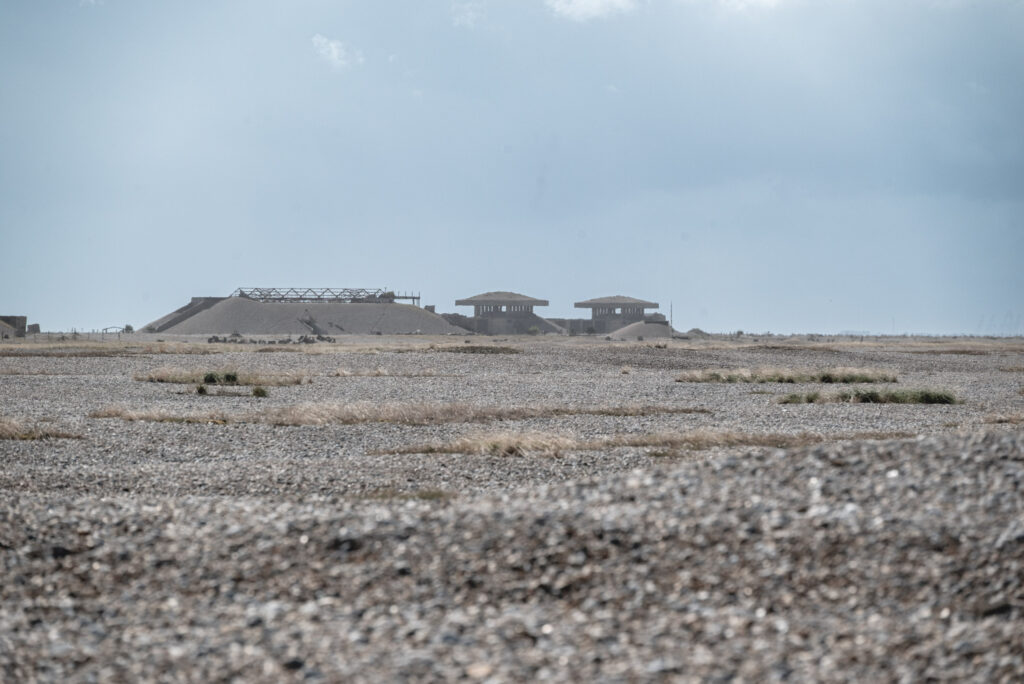
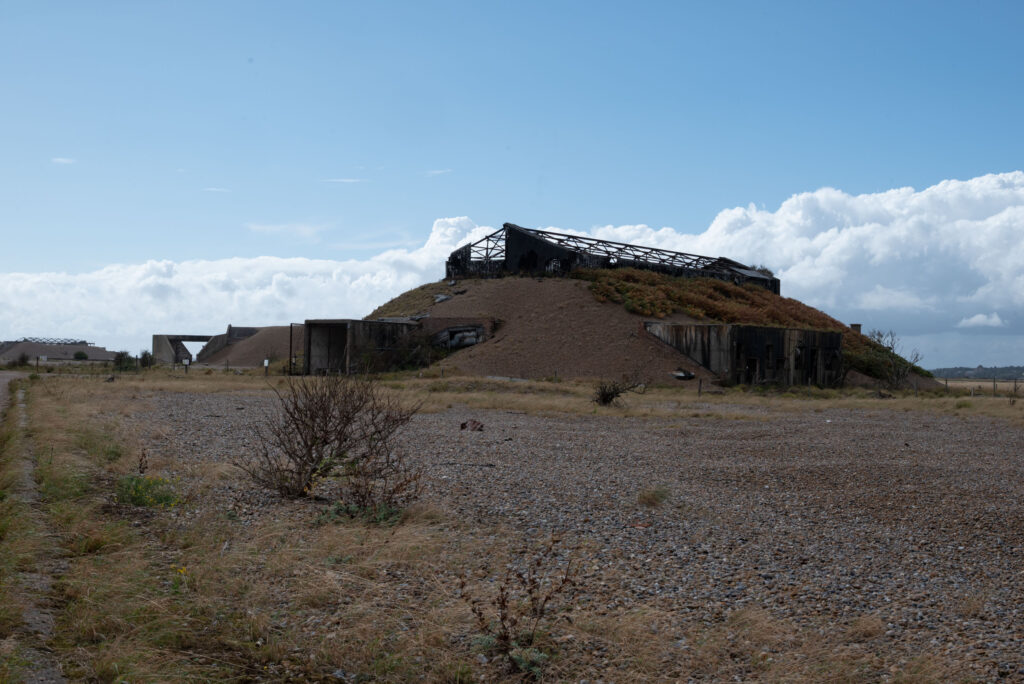
The landscape is peppered with loads of both decaying and also restored but austere military structures with exotic sounding names like the Bomb Ballistics Building, the Black Beacon and the mysterious “pagodas” (the latter sadly not safe enough to be open to the public).
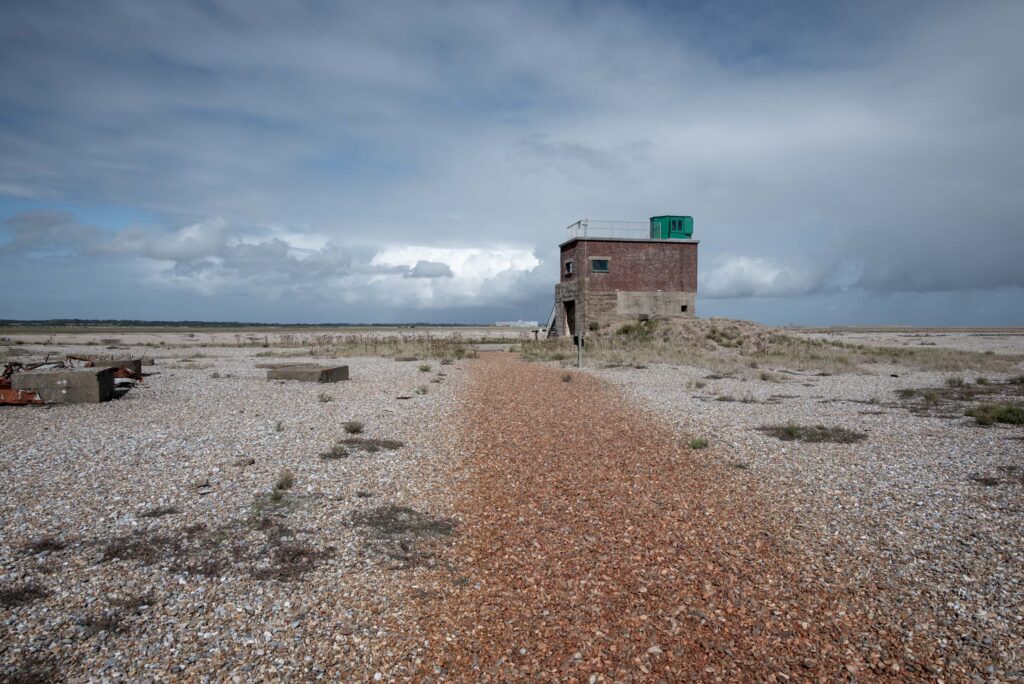
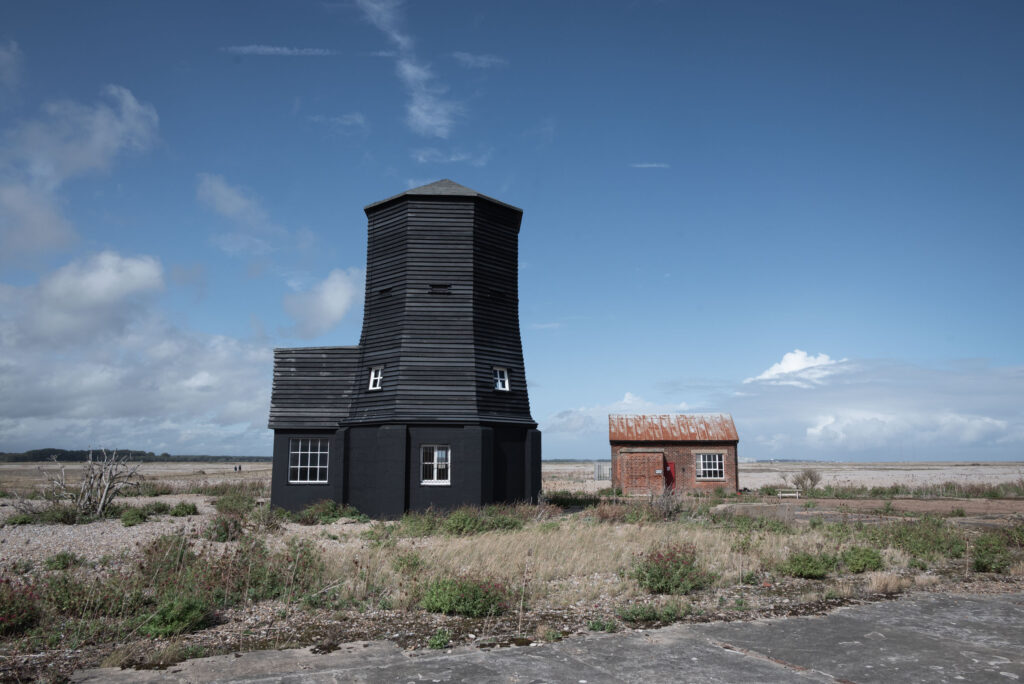
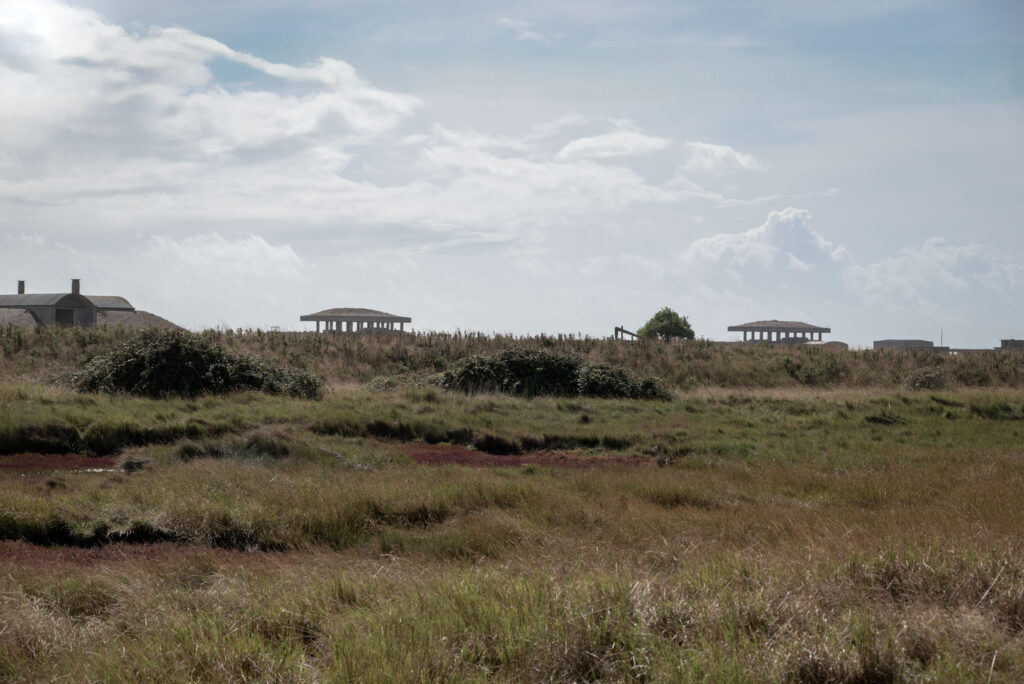
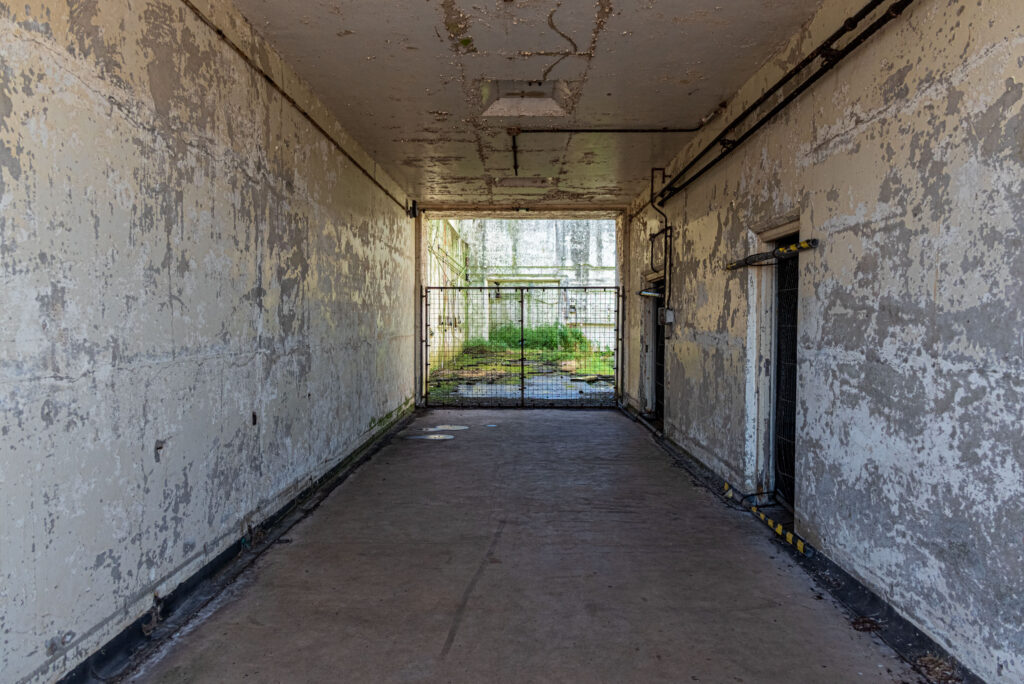
I loved the fact that there were still so many remnants of its past just scattered around being allowed to decay naturally without too much temptation to clear it all up and sanitise the experience.
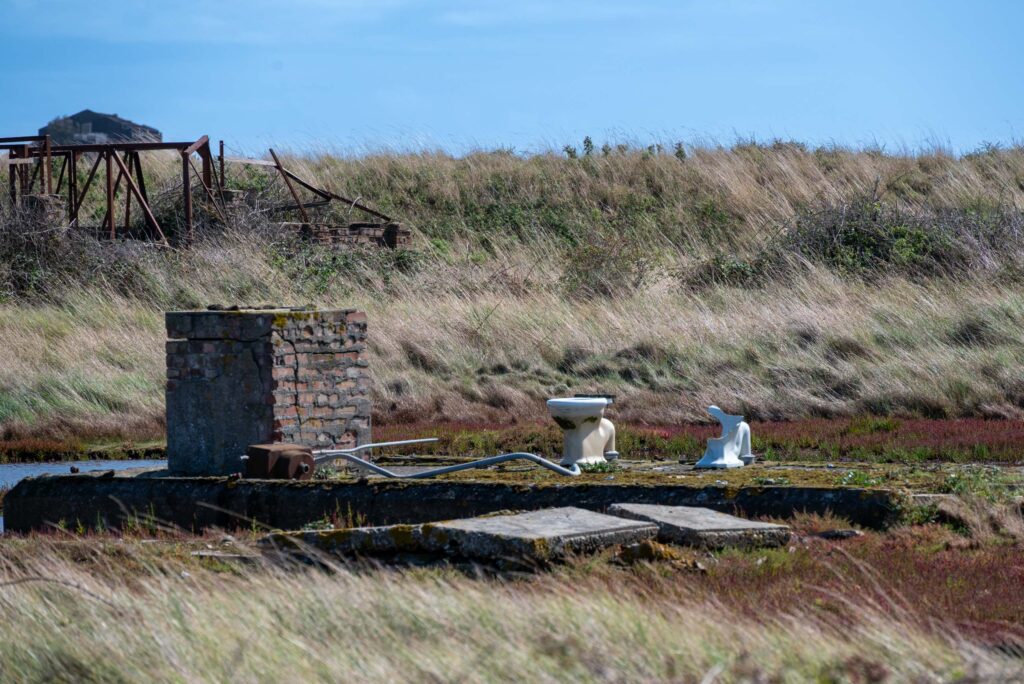
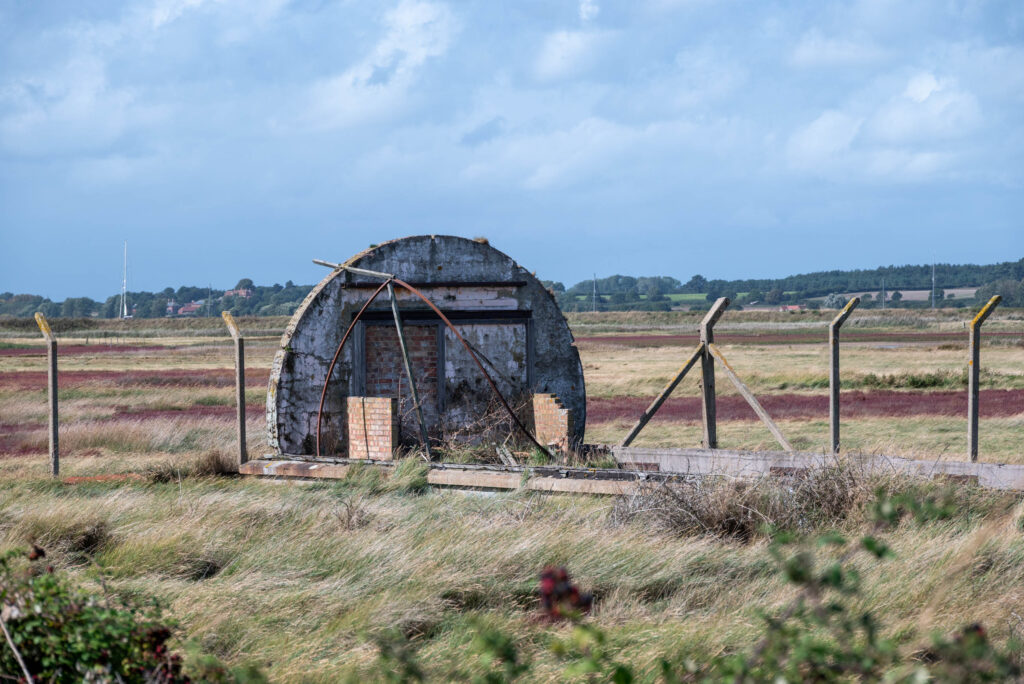
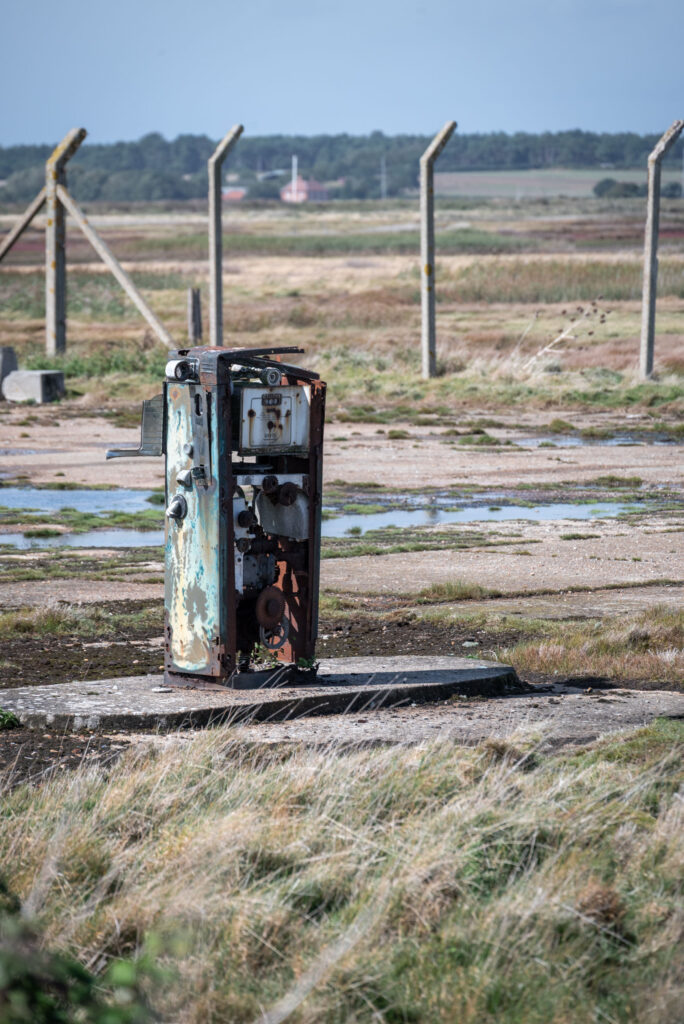
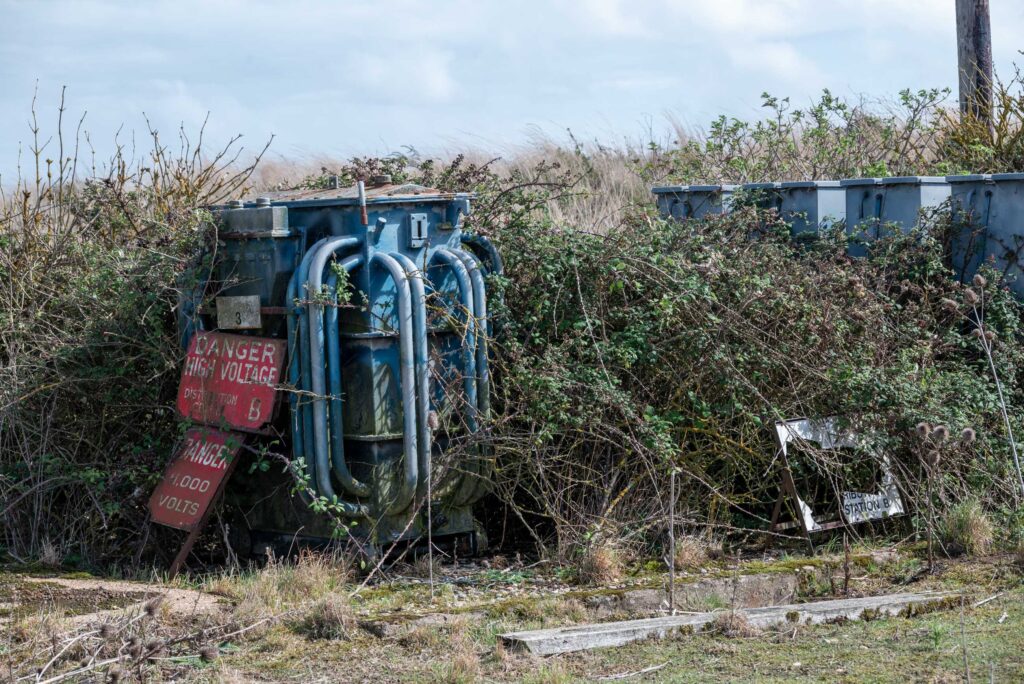
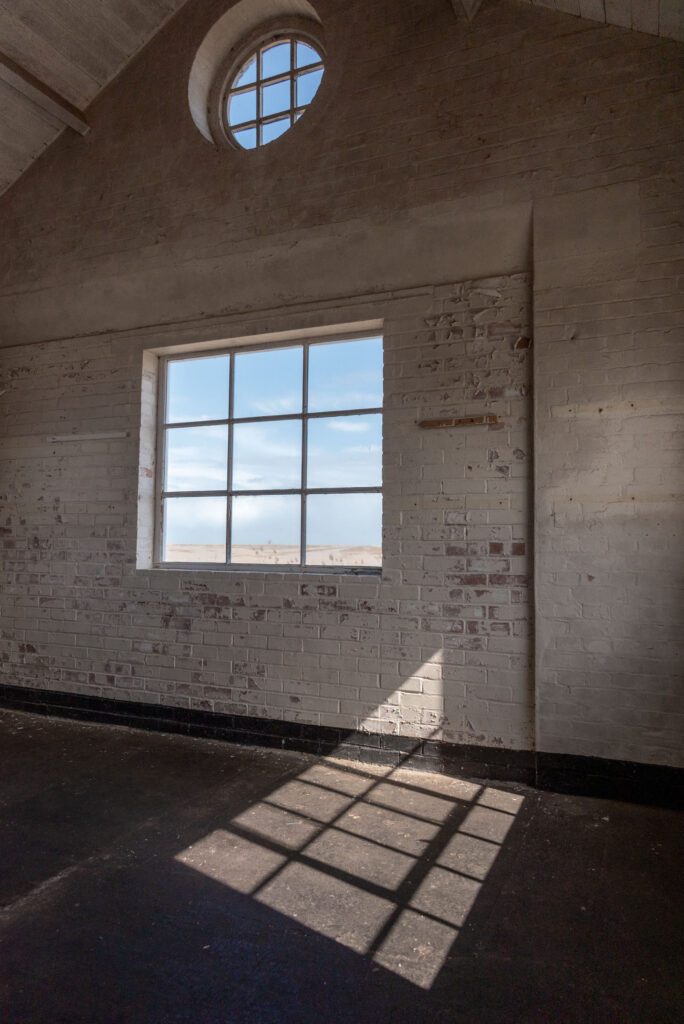
Many of the old military buildings had been put to use by the Trust – some as viewing spots – and it’s all a National Nature Reserve now so a few of my fellow travellers that day were armed with powerful binoculars to spot rare wildlife.
To the north of the site was where, in the late 1960s, they had positioned a vast conical shaped array of radar masts known as Cobra Mist – the idea being that they could snoop “over-the-horizon” behind the Iron Curtain. This was closed in the 1970s in line with arms reduction treaties at the time but a few still remain and they left a lot of the concrete blocks which anchored the masts lying around.
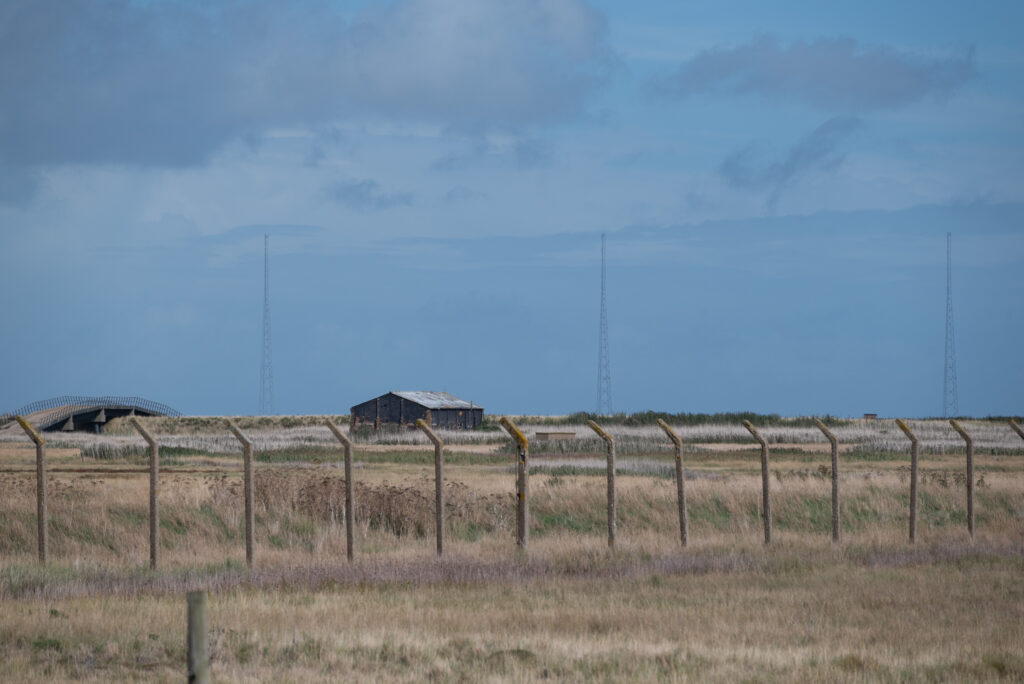
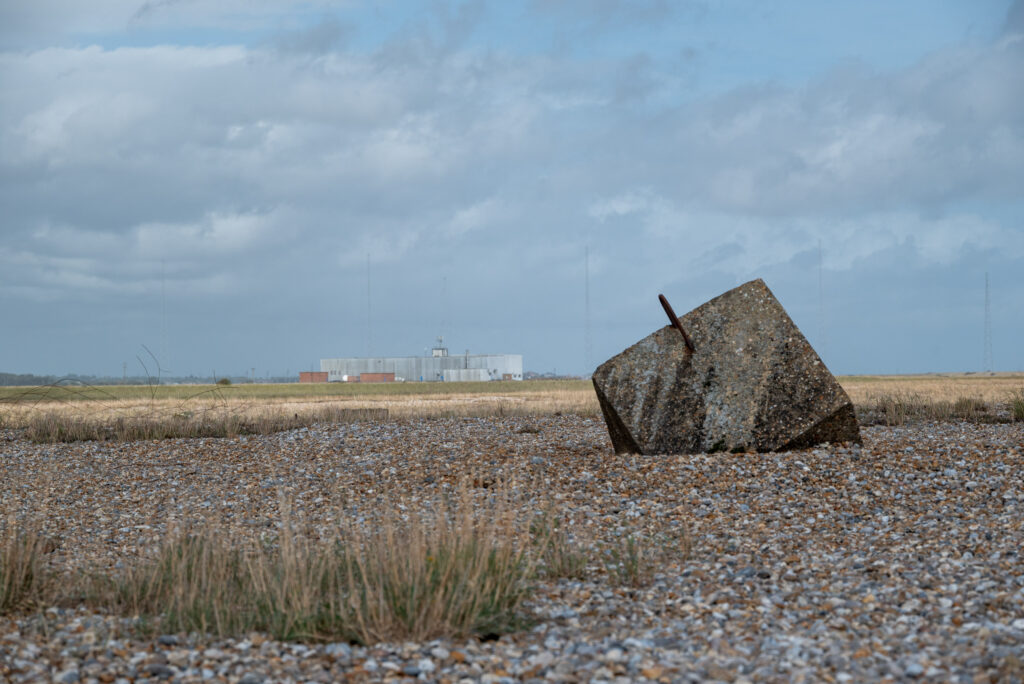
The changing weather also contributed to the whole experience. Almost biblical rain and biting wind as we arrived followed by a succession of misty drizzle and then beautifully clear skies and a bracing breeze. Most of the photographs here were taken during spells of the latter as I wasn’t too confident of the weather sealing on my Nikon to take the risk.
The eeriest sight for me were the “pagodas” and four laboratories left over from the sixties. It was only possible to visit one of these as they are apparently so unstable that even trained surveyors are reliant on drones and robots to assess their condition.
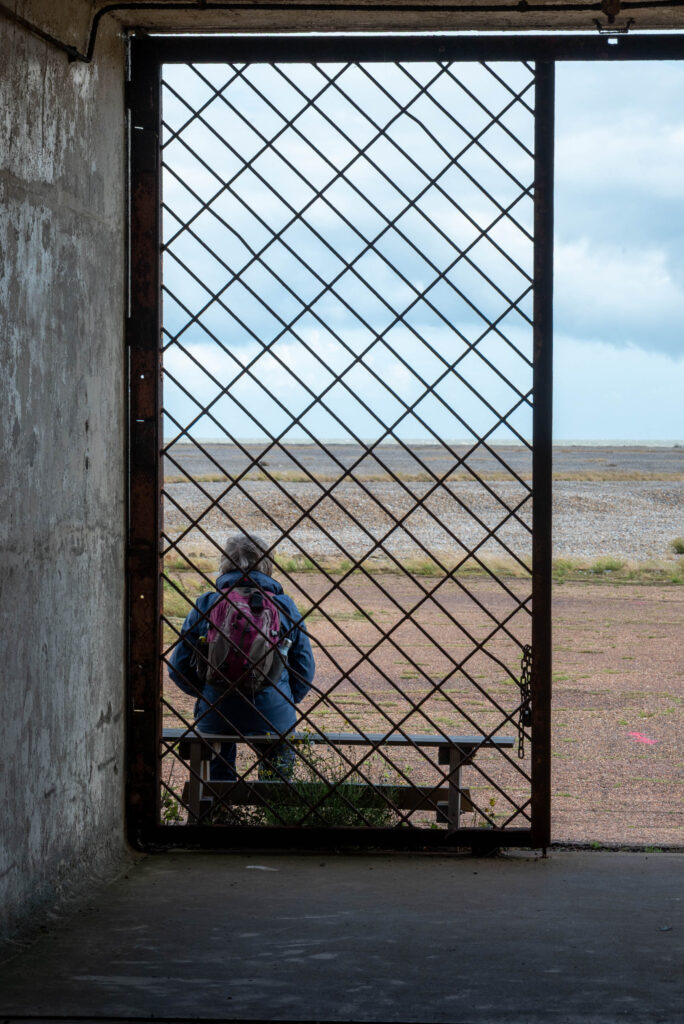
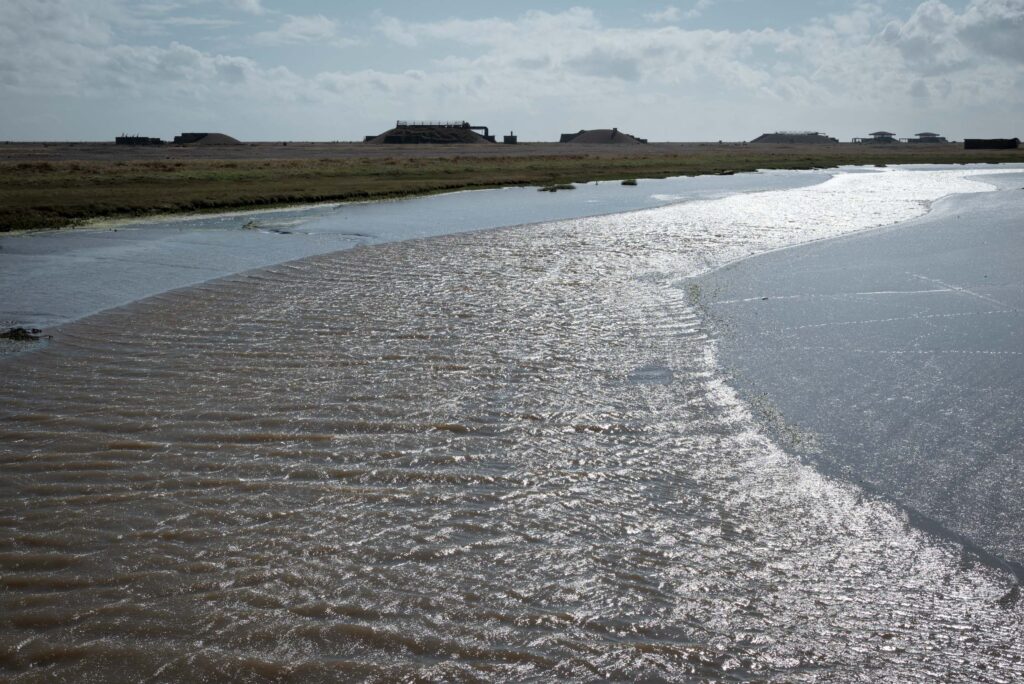
It’s only open on selected days until the end of October now and spaces are limited (unless you’re prepared to swim over!) so you need to be organised but I’d recommend anybody to make the effort and get themselves to this special place of such strange contrasts.
Leave a Reply